



Faculty and Staff
The Center for Addiction Medicine maintains a highly collaborative team with backgrounds in behavioral interventions, neuroimaging, and cognitive neuroscience. Faculty, post-docs, and staff all provide the complementary skills and expertise needed to study the underlying causes and risk factors of addictive behavior and to test new treatments for addictive disorders. The faculty and fellows have appointments at both Harvard Medical School and Massachusetts General Hospital.
 A. Eden Evins, M.D., M.P.H.
Founding Director and Principal Investigator, Center for Addiction Medicine; Cox Family Professor of Psychiatry in the Field of Addiction Medicine, Harvard Medical School
Dr. Evins is the Cox Family Professor of Psychiatry in the field of addiction medicine at Harvard Medical School and the founder and director of the Center for Addiction Medicine at MGH. Dr. Evins completed her residency in adult psychiatry at the Massachusetts Mental Health Center and the Longwood Psychiatry Residency Training Program. In addition, she completed a fellowship in molecular biology at the Mailman Research Center of McLean Hospital, a fellowship in clinical research at Massachusetts General Hospital, and a Masters in Public Health with a concentration in Clinical Effectiveness at the Harvard School of Public Health in 2005.
Dr. Evins has 17 years of consecutive NIDA funding to conduct, as PI, studies of the efficacy of pharmacotherapeutic cessation aids in smokers with and without serious mental illness, and of the effect of nicotine on cognitive performance in those with and without schizophrenia. She has also conducted NIDA-funded studies of behavioral, physiologic, and fMRI-ascertained assessments of impulsivity, risk-taking, reactivity to drug-related cues, and the relationship between cue reactivity and relapse to drug use. A newer line of investigation explores the effect of cannabis on psychiatric symptoms, cognitive function, and addictive behaviors. She has conducted a series of studies that have changed clinical practice guidelines for smoking cessation for those with serious mental illness. Cochrane Reviews on smoking cessation in schizophrenia are based largely on this work (Tsoi et al.; 2010, 2013 Cochrane Database of Systematic Reviews). Dr. Evins has extensive ties with Community Health Centers that have made it possible to conduct large clinical studies. She has been PI of a 10-site multi-center study conducted in community mental health centers across 6 US states.
She has mentored over 35 junior investigators, many with K awards, and has authored over 100 publications, including 42 publications with a mentee as first author.
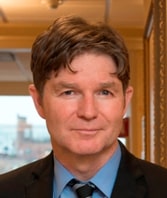 John F. Kelly, Ph.D., ABPP
Elizabeth R. Spallin Professor of Psychiatry in the Field of Addiction Medicine at Harvard Medical School; Founder and Director of the Recovery Research Institute
Dr. Kelly is the Elizabeth R. Spallin Professor of Psychiatry in Addiction Medicine at Harvard Medical School – the first endowed professor in addiction medicine at Harvard. He is also the Founder and Director of the Recovery Research Institute at the Massachusetts General Hospital (MGH) and the Associate Director of the Center for Addiction Medicine (CAM) at MGH.
Dr. Kelly is a former President of the American Psychological Association’s (APA) Society of Addiction Psychology, a founding member and inaugural President of the American Board of Addiction Psychology, a Fellow of the APA, and a Diplomate of the American Board of Professional Psychology. He has served as a consultant to U.S. federal agencies and non-federal institutions, as well as foreign governments, the United Nations and the World Health Organization.
Dr. Kelly has published over 200 peer-reviewed articles, reviews, chapters, and books in the field of addiction medicine, and was an author on the U.S. Surgeon General’s Report on Alcohol, Drugs, and Health. He has won numerous state, national, and international lifetime achievements and distinguished scientist awards for his work.
His clinical and research endeavors have focused on addiction treatment and the recovery process, mechanisms of behavior change, and reducing stigma and discrimination among individuals suffering from addiction.
For press inquiries and speaking engagement requests, please contact Ji Won Yoon at ji.yoon@mgh.harvard.edu
Jodi Gilman, Ph.D.
Director and Principal Investigator, Center for Addiction Medicine; Associate Professor, Harvard Medical School
Dr. Jodi Gilman is an Associate Professor in Psychiatry at Harvard Medical School and the Director of Neuroscience at the Massachusetts General Hospital Center for Addiction Medicine. She received her PhD in Neuroscience from Brown University and completed her postdoctoral fellow at Massachusetts General Hospital in the Department of Psychiatry. Dr. Gilman’s research uses multi-modal neuroimaging, behavioral and cognitive testing to understand the effects of addiction on the brain. Specifically, she studies the effects of cannabis use on addiction and other health outcomes. She has had a NIDA K01 Career Development Award and currently has a NIDA K02 Mid-Career Development Award, in addition to several R01 grants to conduct this research. Dr. Gilman has received numerous awards, including the Fellows Award for Research Excellence from the National Institutes of Health. Dr. Gilman’s work has been featured in media outlets throughout the world, including Reuters, NPR’s Science Friday broadcast, and the BBC. More information on her work can be found at http://scholar.harvard.edu/jodigilman/news.
Randi Schuster, Ph.D.
Co-Director of Research; Director of School-Based Research and Program Development; Director of Neuropsychology; Principal Investigator, Center for Addiction Medicine; Associate Professor, Harvard Medical School
Dr. Schuster is a licensed clinical psychologist. She received her BA from the University of Maryland, College Park in 2007 and her PhD in Clinical Psychology from the University of Illinois at Chicago in 2014. She received specialized training in neuropsychology as a pre-doctoral intern and post-doctoral fellow at MGH/Harvard Medical School.
Dr. Schuster’s work aims to define the cognitive predecessors of adolescent substance use, effects of substance use on cognitive performance, and how these and other factors (e.g., genetics and environment) affect treatment engagement and functional (e.g., academic) outcomes. Her work explores the behavioral and biological mechanisms underlying risk for adverse outcomes secondary to early substance exposure, with a particular emphasis on vulnerable sub-populations including adolescents with and at risk for neuropsychiatric illness.
Dr. Schuster’s work is notably rooted in principles of community engagement and equity. Her training in community-based research is reflected in extensive ties with public schools across Massachusetts. She has surveyed over 100,000 students in school-based settings about their substance use behaviors and co-occurring mental health symptoms. Through her program of school-based research, she has also developed and tested best practice community-level early interventions (“Tier 2”) to minimize population-level impact of substance use on student health and well-being. Dr. Schuster is currently overseeing a state-funded program aimed at developing, implementing, and evaluating a novel alternative to suspension (iDECIDE; https://www.idecidemyfuture.org) as well as a PCORI-funded clinical trial aimed at evaluating methods for improving school-based SBIRT for early substance use detection.
Gladys Pachas, M.D.
Associate Director, Center for Addiction Medicine; Assistant in Research Psychiatry and Instructor of Psychiatry, Harvard Medical School
Dr. Pachas received her medical degree from San Martin de Porres University and received health services management and public health training from the National University Mayor de San Marcos in Lima, Peru. She also completed an Addiction Fellowship at Harvard Medical School. Her research interests are the development of behavioral treatments and evidence-based novel treatments for smoking cessation and relapse prevention in people with and without serious mental illness. Dr. Pachas is the recipient of the NIMH-NCDEU Young Investigator Award, the MGH Clinical Research Day Departmental Award in Psychiatry, the NIH-NIDA Interdisciplinary Research Training Institute on Hispanic Drug Abuse Fellowship, the American Society of Clinical Psychopharmacology Fellowship, and the Society for Research on Nicotine and Tobacco Health Disparities Fellowship. Dr. Pachas is involved in the clinical component of complex Phase II trials of novel pharmacologic agents, all of which are being tested as treatments for smoking cessation and relapse prevention.
Joanna Streck, Ph.D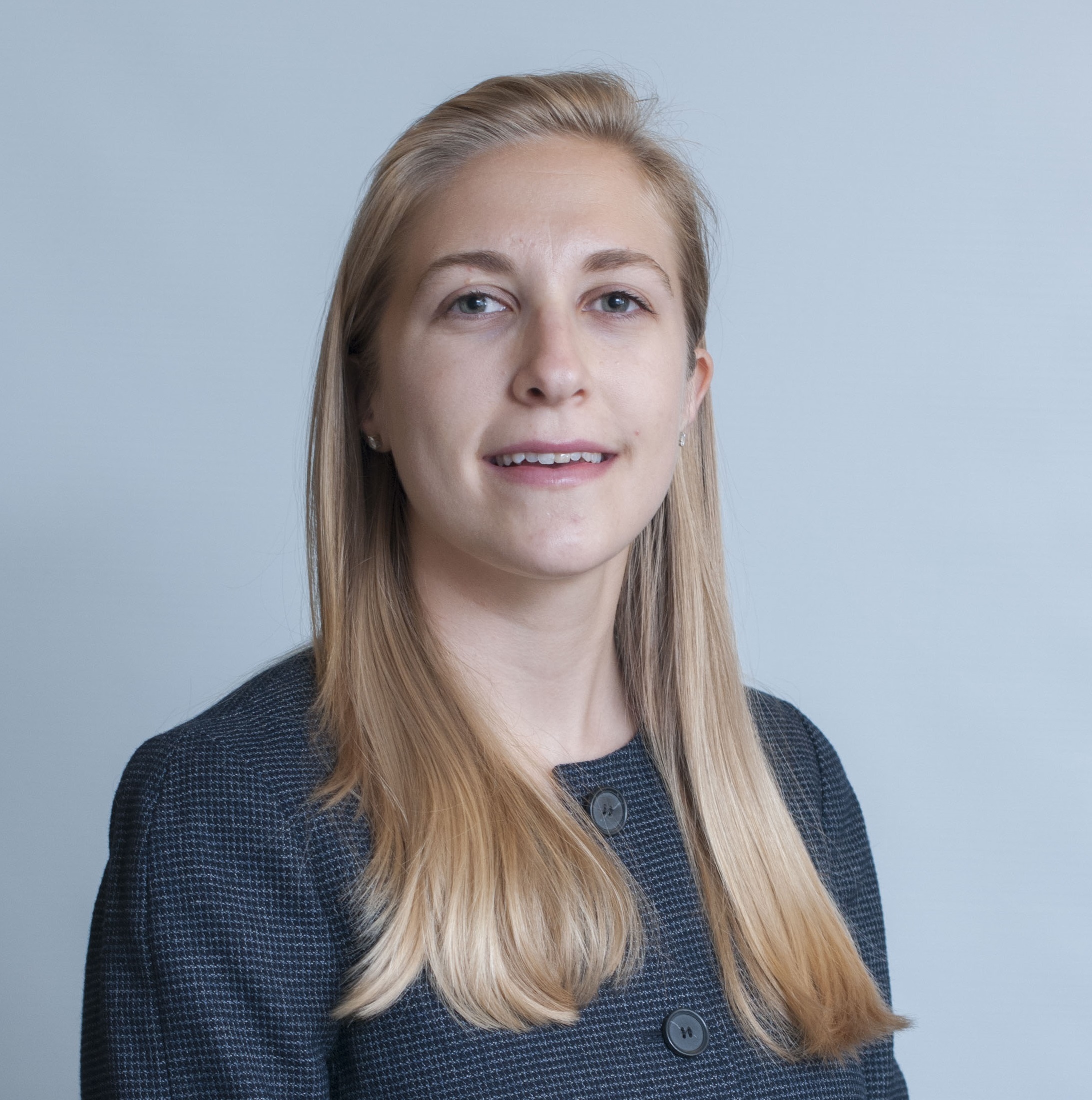
Principal Investigator
Joanna Streck completed her doctoral training in addiction and tobacco regulatory science at the University of Vermont Vermont Center on Behavior and Health and went on to complete her predoctoral internship in Behavioral Medicine and K12 fellowship in addiction at MGH/HMS. Her primary program of research seeks to identify effective tobacco cessation and harm reduction interventions for vulnerable populations who smoke with a focus on those with co-morbid SUD.
Cori Cather, Ph.D.
Director, MGH Center of Excellence for Psychosocial and Systemic Research; Associate Professor, Harvard Medical School
Dr. Corinne Cather earned her undergraduate degree in biopsychology at Hamilton College in Clinton, NY and her doctorate in clinical psychology from Rutgers University where she received specialized training in cognitive behavioral therapy (CBT) and behavioral medicine. She completed an internship at the University of Medicine and Dentistry of New Jersey (formerly Rutgers) and joined the Schizophrenia Clinical and Research Program in 1999 as a fellow. She has extensive experience as a clinician-researcher with first episode/early psychosis as well as with chronic schizophrenia and she has developed an international reputation as one of the few practitioners in the US skilled in cognitive behavioral therapy in schizophrenia. She has participated in a number of trials that investigate the efficacy of combined behavioral and psychopharmacological treatments for nicotine dependence in smokers with severe mental illness and has manualized treatments for enhancing motivation to quit smoking, smoking cessation, and relapse prevention for this population of smokers.
Brandon G. Bergman, Ph.D.
Associate Director of the Recovery Research Institute
Brandon G. Bergman, Ph.D. is an Assistant Professor at Harvard Medical School and Associate Director at the Recovery Research Institute (RRI). He is also the RRI Associate Director of Communications, providing content and oversight for the RRI website, and the monthly RRI Recovery Bulletin. Dr. Bergman’s research targets the intersection between professional-clinical and freely accessible, community-based services for individuals with substance use disorder including, but not limited to, those in the life stage of emerging adulthood (i.e., ages 18-29). Dr. Bergman’s primary line of research, funded by a career development award (K23) from the National Institute on Alcohol Abuse and Alcoholism, examines the nature and utility of participation in online, digital recovery support services, as well as the use of social network site data to elucidate social-recovery processes. He completed his Ph.D. in Clinical Psychology at Nova Southeastern University, and his psychology internship and addiction psychology postdoctoral fellowship at the Massachusetts General Hospital and Harvard Medical School. Dr. Bergman is also a licensed clinical psychologist, actively treating individuals with substance use disorder and related problems, as well as family members who are supporting their loved ones with these conditions.

David Eddie, Ph.D.
Research Scientist
Dr. David Eddie is the Associate Director of Clinical Translational Recovery Science at Massachusetts General Hospital’s Recovery Research Institute and Center for Addiction Medicine, a clinical psychologist in Massachusetts General Hospital’s Department of Psychiatry, an assistant professor at Harvard Medical School, and a diplomate of the American Board of Addiction Psychology.
Dr. Eddie holds a B.A. from Columbia University with honors in psychology, and a Ph.D. from Rutgers University, where he conducted research at the Center of Alcohol and Substance Use Studies. Dr. Eddie did his clinical residency at Massachusetts General Hospital before completing his post-doctoral training as a Harvard Medical School Livingston Fellow at the Recovery Research Institute.
His research seeks to better understand the psychological and psychophysiological causes and conditions that lead to people becoming addicted to alcohol and other drugs, and how these factors can also maintain addiction. He uses this knowledge to develop and study novel, technology-based treatments for substance use disorder.
Kevin Potter, Ph.D.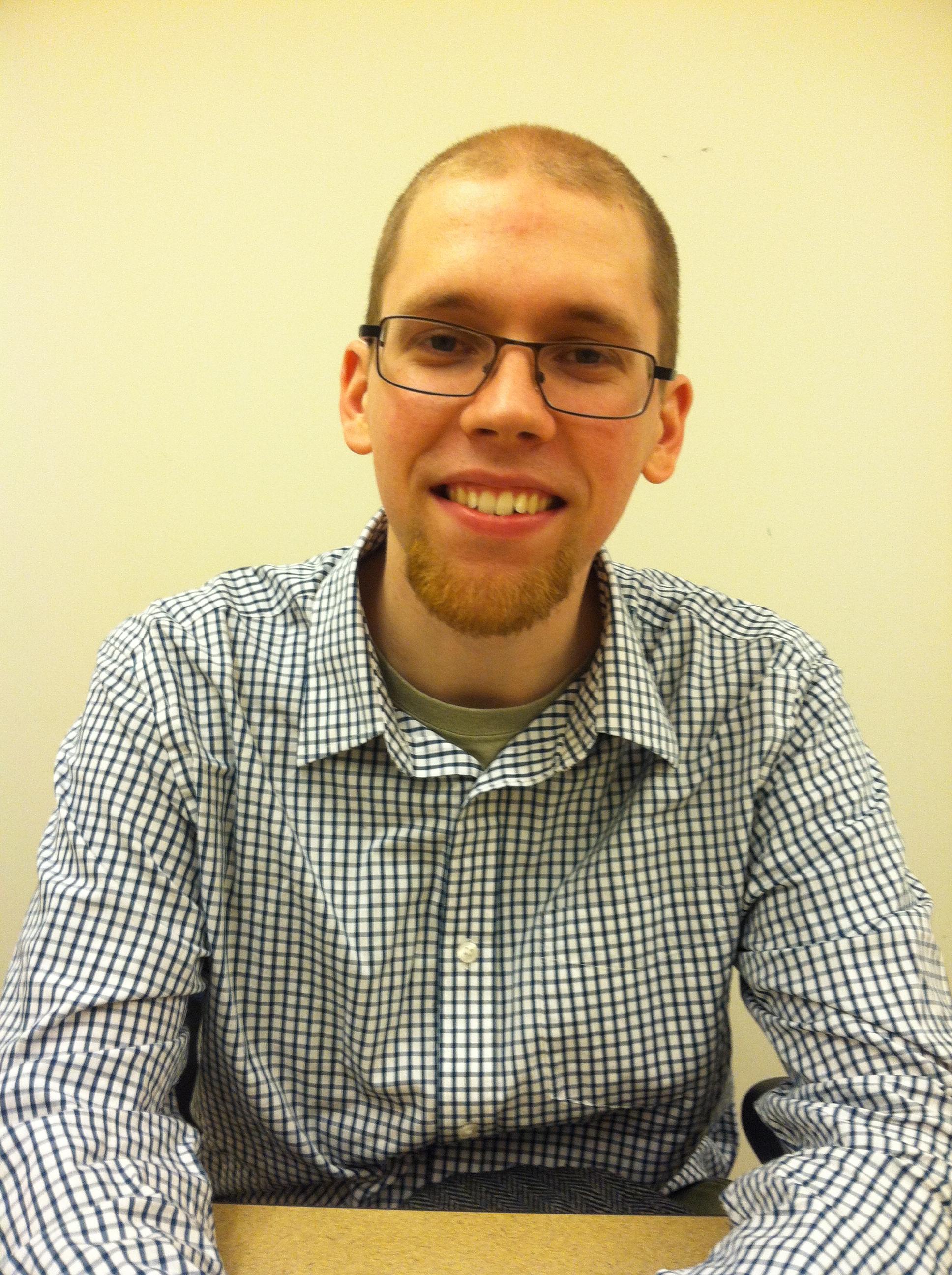
Research Fellow/Statistician
Dr. Kevin Potter graduated from Grinnell College with a B.A. in Psychology and received his Ph.D. in Quantitative Psychology from Ohio State University. He began working for the Center for Addiction Medicine in August of 2018 as a statistician. His research involves applying modern statistical and cognitive modeling approaches to diverse clinical data sets, and developing approachable statistical tools for applied practitioners.
Lorenza Dall’aglio, Ph.D 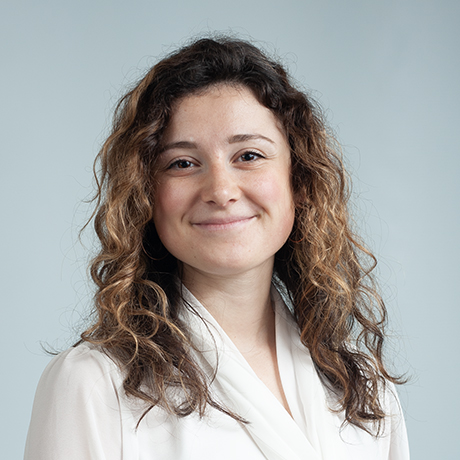
Research Fellow
Dr. Lorenza Dall’Aglio is a researcher with expertise in child and adolescent psychiatry, neuroimaging, and epidemiology. Trained at Erasmus Medical Center and King’s College London, she went on to secure competitive research grants at Massachusetts General Hospital and Harvard Medical School. At CAM, she applies causal inference methods to observational data to explore the relationship between cannabis use and mental health problems in youth, with the goal of identifying who would benefit most from targeted substance use interventions.
Dongmei Zhi, Ph.D 
Postdoctoral Research Fellow, Center for Addiction Medicine
Dr. Dongmei Zhi is a Postdoctoral Fellow in substance use and addiction medicine at Massachusetts General Hospital/Harvard Medical School. She received her PhD in Computational Psychiatry at the University of Chinese Academy of Sciences. Her research focuses on integrating genetics, environment, imaging, and behavior to explore the mechanisms underlying behavioral disorders and the mechanisms of their pharmacological treatments.
Malena Price, Ph.D., MscGH
Clinical Psychology Fellow/K12 Scholar
Dr. Malena Price earned her undergraduate degree and Master of Science in Global Health from Duke University and her doctorate in Clinical Psychology from the University of Miami. She completed her predoctoral internship in clinical psychology at Massachusetts General Hospital/Harvard Medical School and remained at MGH as a postdoctoral fellow and K12 Scholar in the Center for Addiction Medicine. Her research focuses on increasing access to mind-body interventions for chronic pain, particularly among populations historically underrepresented in contemplative research. Her work draws on mindfulness and implementation science to understand how mind-body interventions can be adapted and delivered in accessible and scalable formats. Dr. Price has experience developing and evaluating mindfulness- and movement-based interventions across clinical and community settings. As a K12 Scholar, she is currently investigating the feasibility of a self-paced mindfulness intervention informed by the needs and perspectives of hospital staff with chronic pain. Her long-term goal is to develop scalable mind-body approaches that improve chronic pain management and may reduce associated risk for problematic opioid use. In addition to her research, Dr. Price serves as a clinician on clinical trials within the Center for Addiction Medicine.
Zach Himmelsbach, Ph.D
Lead Programmer
Zach works as a lead programmer at the MGH Center for Addiction Medicine. His research has focused on the development of statistical methods and software, particularly for the analysis of unstructured or psychometric data. Zach received his A.M. in statistics and PhD in education policy and program evaluation from Harvard University.
Julia Jashinski, M.S.W., LCSW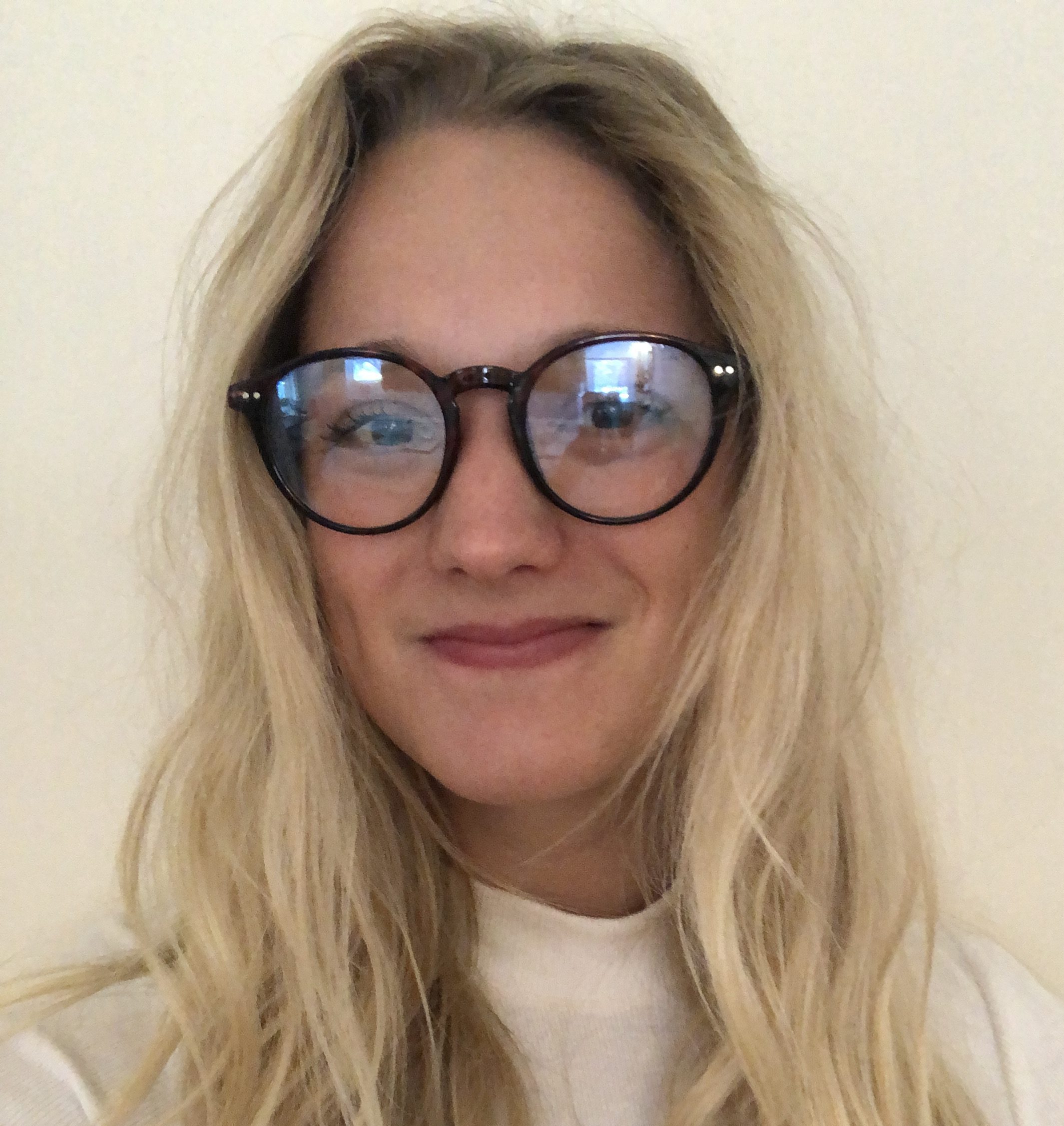
Program Director, Center for Addiction Medicine
Julia Jashinski is the Program Director for the Center, overseeing grants applications, budget management, funding and regulatory compliance, and supporting operations for a number of active projects. Ms. Jashinski works closely with the CAM investigators to support meaningful research that focuses on improving outcomes for people who use drugs. She is a graduate of the Ohio State University (2019, B.S.) and Boston University (2021, MSW).
Luwei Liu, MBI, BS
Programmer
Luwei Liu received a Master of Biomedical Informatics from Harvard University and dual Bachelor’s degrees in Applied Mathematics & Statistics and Biochemistry from Stony Brook University. At CAM, she primarily works on Dr. Schuster’s school-based research project examining the impact of cannabis use and withdrawal on depression and suicide risk in adolescents, as well as Dr. Evins’s study on behavioral interventions for adolescent vaping cessation. Her research interests include leveraging ecological momentary assessment and data-driven methods to better understand substance use behaviors, mental health, and intervention efficacy in youth populations.
Liam Arteaga, M.A., B.S.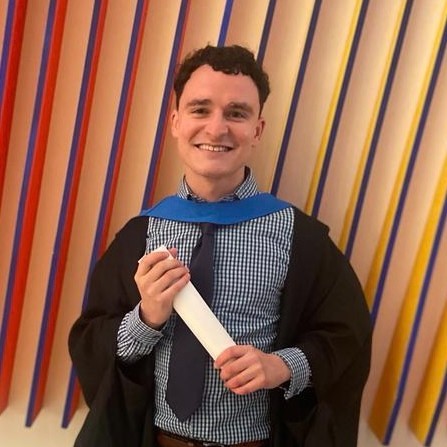
Senior Clinical Research Coordinator
Liam Arteaga graduated from the University College Dublin with a Masters in Psychological Sciences in 2021. At CAM, he works with Dr. Jodi Gilman on a study looking at the effects of cannabis and a group behavioral intervention on pain and opioid utilization. Liam’s interests include examining biomarkers of addiction and the development of novel substance use disorder treatments.
Julia Cannistraro, B.A. 
Clinical Research Coordinator II
Julia Cannistraro graduated from Skidmore College in 2024 with a Bachelor of Arts in Psychology and Music. At CAM, she works primarily with Dr. Streck on two studies. The first study investigates the efficacy of a chatbot designed to assist people receiving treatment for opioid use disorder, and the second study looks at the efficacy of switching heavy smokers in treatment for opioid use disorder to electronic cigarettes. Her research interests include investigating treatments for substance use disorders, mental health support, and music cognition.
Max Carothers, B.S.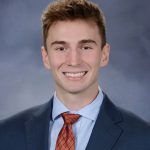
Clinical Research Coordinator II
Max graduated from Cornell University with a degree in Health Care Policy. At CAM, he works with Dr. Eden Evins and the VIA team on a study examining how behavioral interventions can support nicotine and vaping cessation among adolescents. His research interests include mental health, suicide prevention, and translating evidence-based interventions into community and policy settings.
Ashton Sanford, B.A.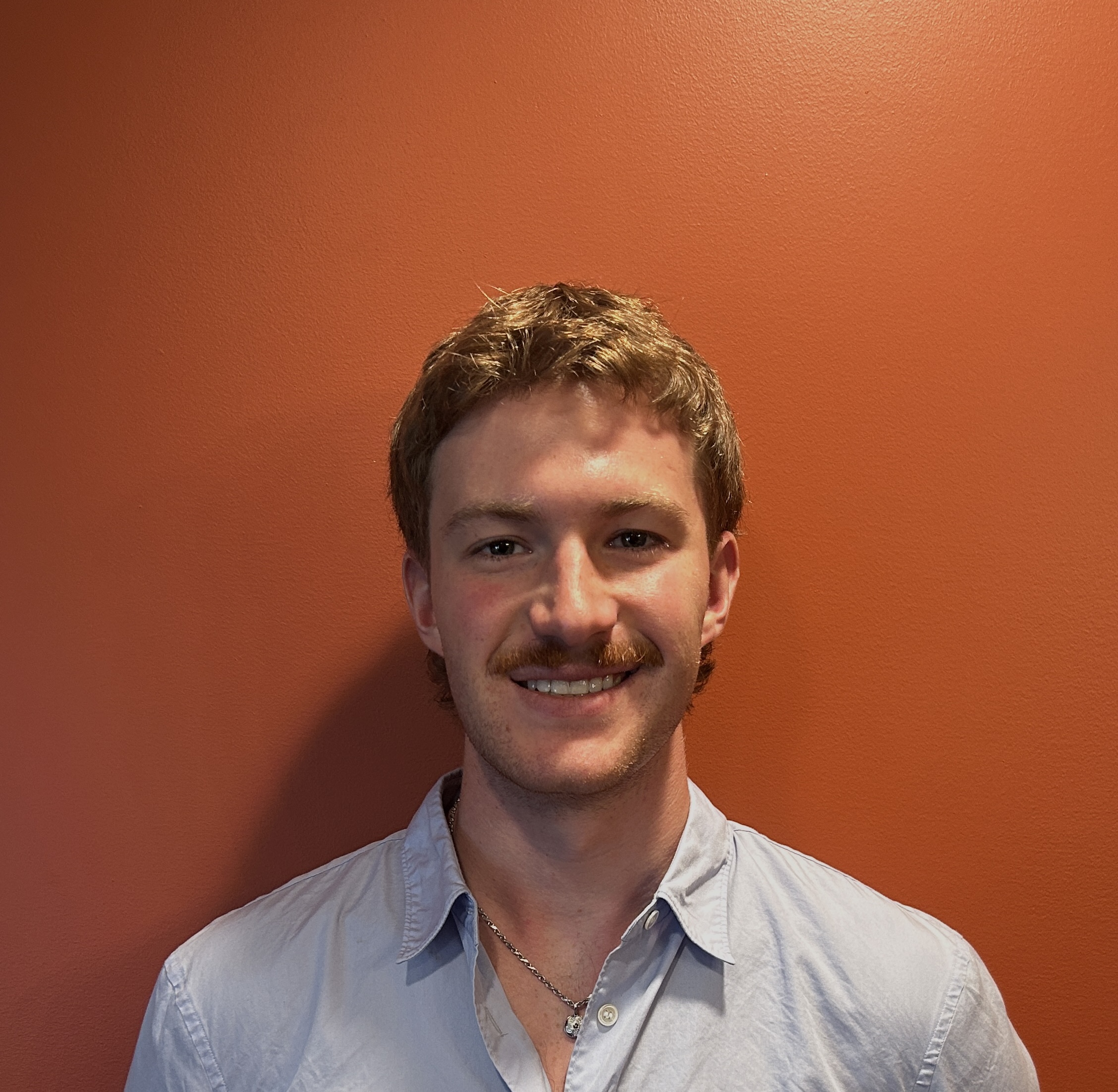
Clinical Research Coordinator II
Ashton graduated from Syracuse University in 2025 with a B.A. in Neuroscience and a B.A. in Psychology. At the Center for Addiction Medicine, he works primarily with Dr. Eden Evins on the CHARMS project, which aims to analyze the effect of real-time neurofeedback augmentation of mindfulness practice, specifically on Recurrent Negative Thinking (RNT) in adolescents at risk for serious mental illness. His research interests include trauma, substance use disorder, and neuropharmacology with a focus on psychedelic research.
Jack Guerinot, M.S.
Clinical Research Coordinator II
Jack graduated from the University of Rochester School of Medicine with a Master of Science in Clinical Investigation. At CAM, he works with Dr. Streck on a study comparing the efficacy of tobacco cessation interventions delivered by a peer recovery coach versus a non-peer coach among individuals receiving medication for opioid use disorder. His research interests include substance use and treatment outcomes, smoking and vaping cessation, and pharmacoepidemiology.
Luke Morris, B.S.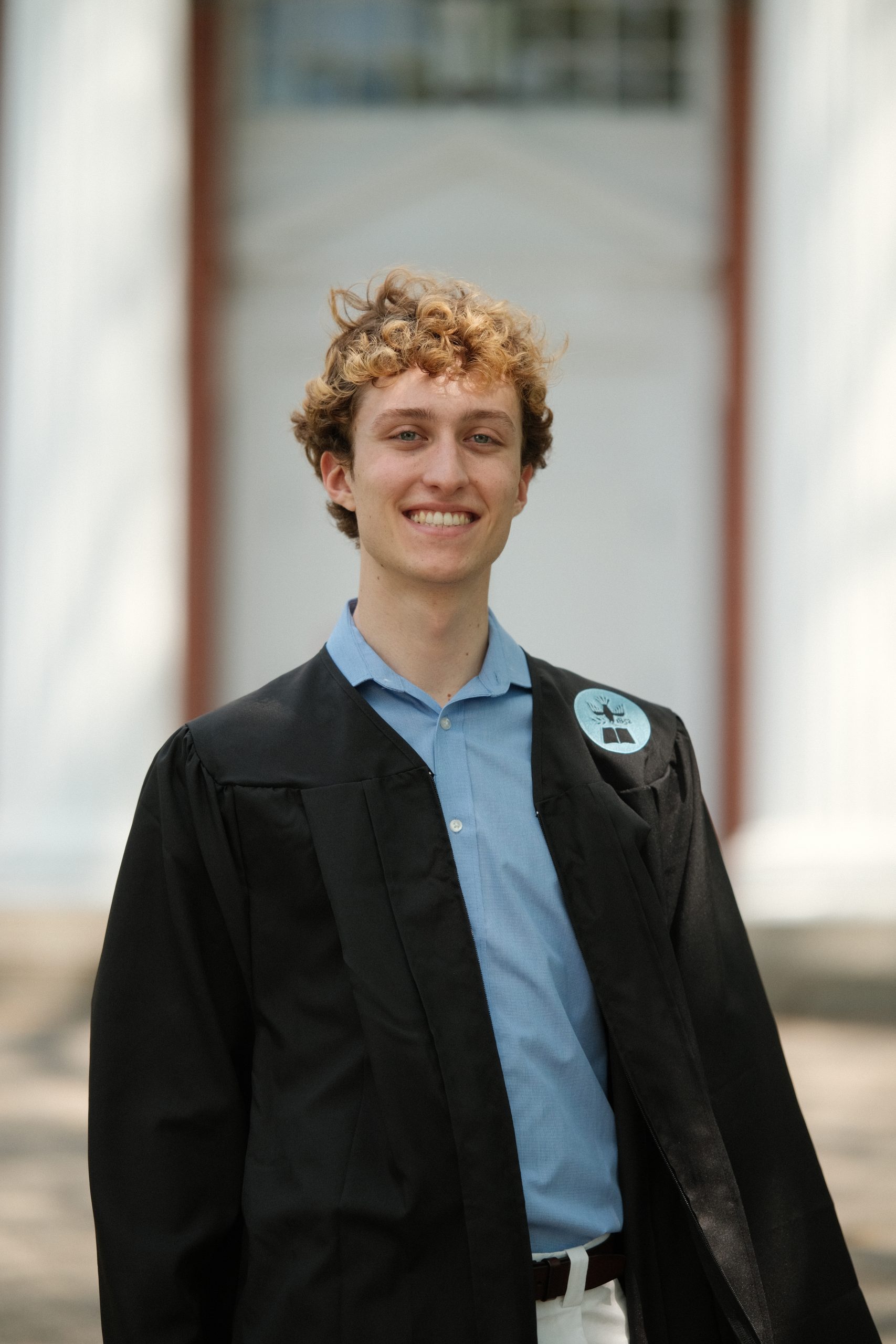
Clinical Research Coordinator
Luke graduated from Tufts University in 2025 with a degree in Clinical Psychology. At CAM, he works with Dr. Eden Evins and the VIA team, working with adolescents to determine the efficacy of a behavioral intervention for vaping cessation. He will also be aiding in a study using functional near-infrared spectroscopy (fNIRS) to evaluate how substance use impacts brain function. His research interests include interventions for serious mental illness, and their implementation and accessibility in community health settings.
Haley Menees, B.S. 
Clinical Research Coordinator II
Haley Menees graduated from the University of North Georgia with a Bachelor of Science in Biology & Bachelor of Science in Chemistry with a Biochemistry Concentration alongside minors in Business Administration and Spanish. She intends to pursue an MD/PhD in the future. Haley works with Dr. Eden Evins and the VIA team on a study evaluating the effectiveness of behavioral interventions for vaping cessation in adolescents and young adults who are motivated to quit. Her goal is to characterize drug-induced alterations within reward neural circuitries to advance addiction treatments and integrate these research findings with patient care and policy, promoting health equity amongst the individuals and communities affected by addiction.
Mehuli Basu Roy, B.A.
Clinical Research Coordinator
Mehuli graduated from Johns Hopkins University in 2026 with a B.A. in Psychology and minors in Mathematics and the Studies of Women, Gender, and Sexuality. At CAM, she will be working on a study examining the effect of mindfulness practice with real-time neurofeedback on reducing negative thinking. Her research interests include the effects of trauma, the comorbidity of mental illness and substance use disorders, and cognitive-behavioral interventions.
Alex Hollander. B.A.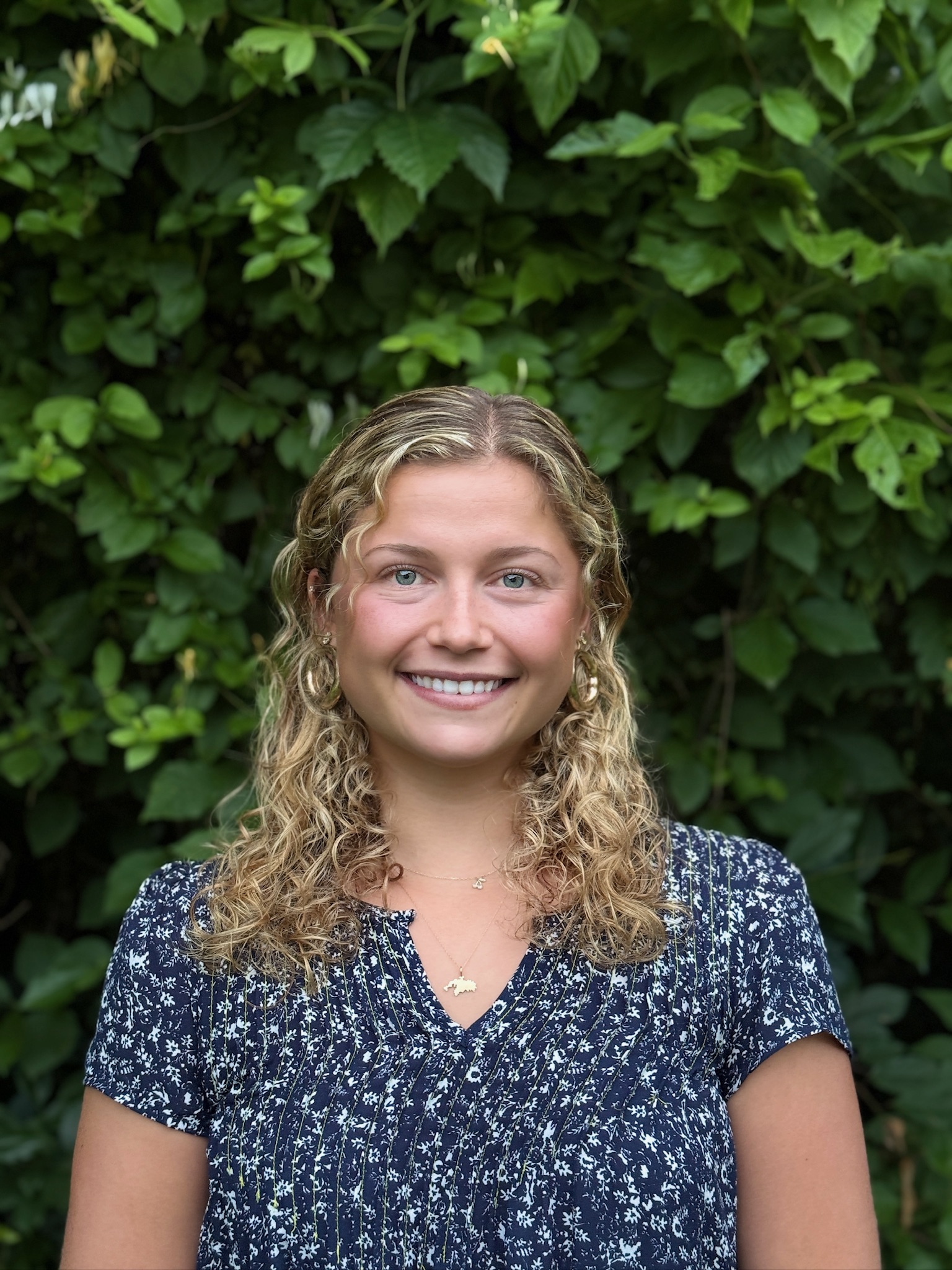
Clinical Research Coordinator
Alex graduated from Middlebury College in 2026 with Bachelor of Arts degrees in Biochemistry and Spanish. At CAM, she works with Dr. Eden Evins on the CHARMS project, which investigates the effect of mindfulness-based neurofeedback as a transdiagnostic intervention in adolescents that experience elevated Repetitive Negative Thinking (RNT). Her research interests include language barriers and health access, treatment of youth mental health interventions, and substance use disorders.
Bella Amico, B.S., MBA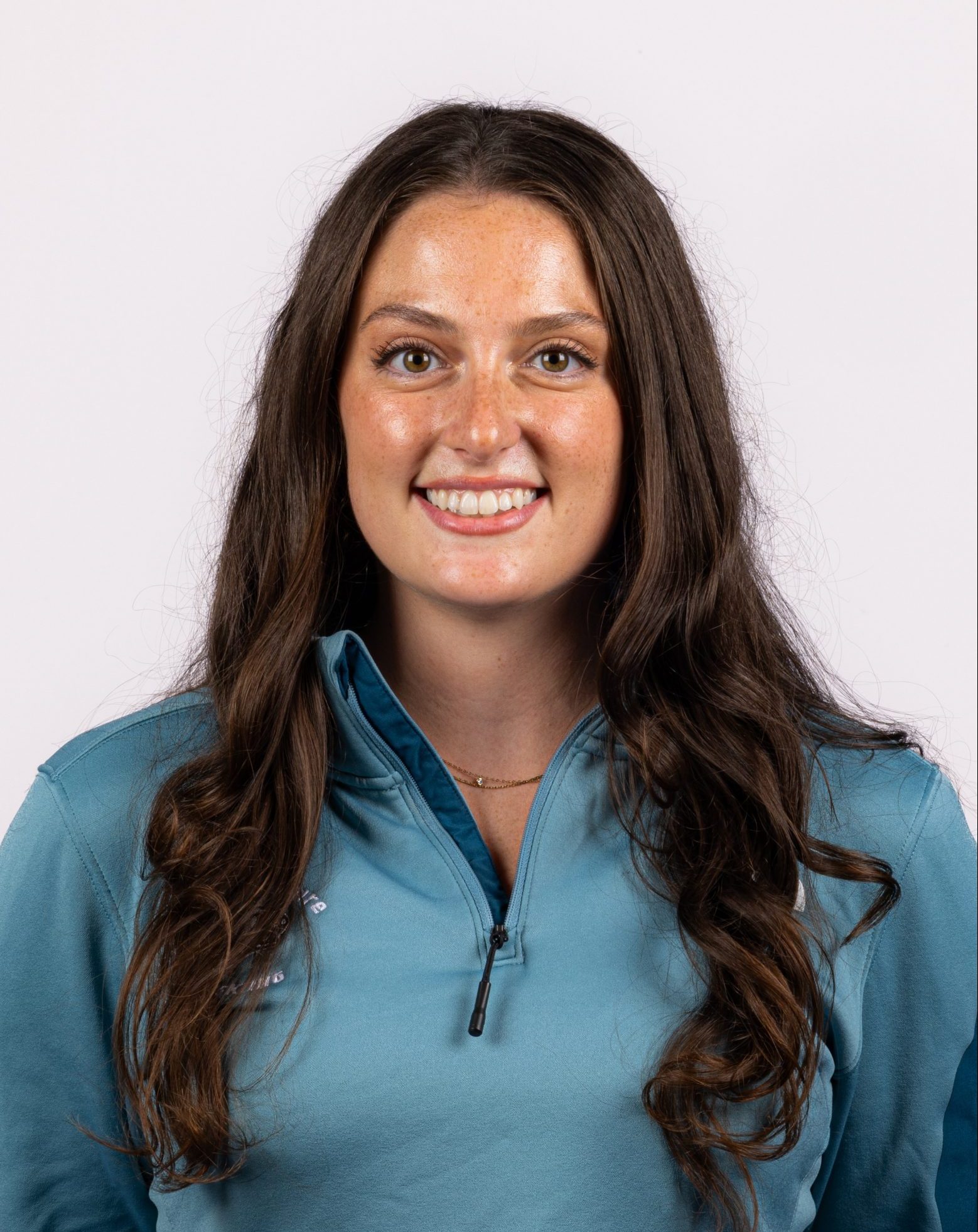
Clinical Research Coordinator
Bella graduated from St. Lawrence University in 2024 with a Bachelor of Science degree in Biomedical Science and completed her master’s degree in Business Administration at the University of New Hampshire in 2025. At CAM, she will be working with Dr. Eden Evins on a study testing the effectiveness of a community health worker intervention for increasing tobacco abstinence rates in adults with serious mental illness and a study evaluating the effectiveness of a behavioral vaping cessation intervention in adolescents. Her research interests include neuropharmacology, novel treatments for substance use disorders, and mood disorders.
Valeria Aragon, B.A.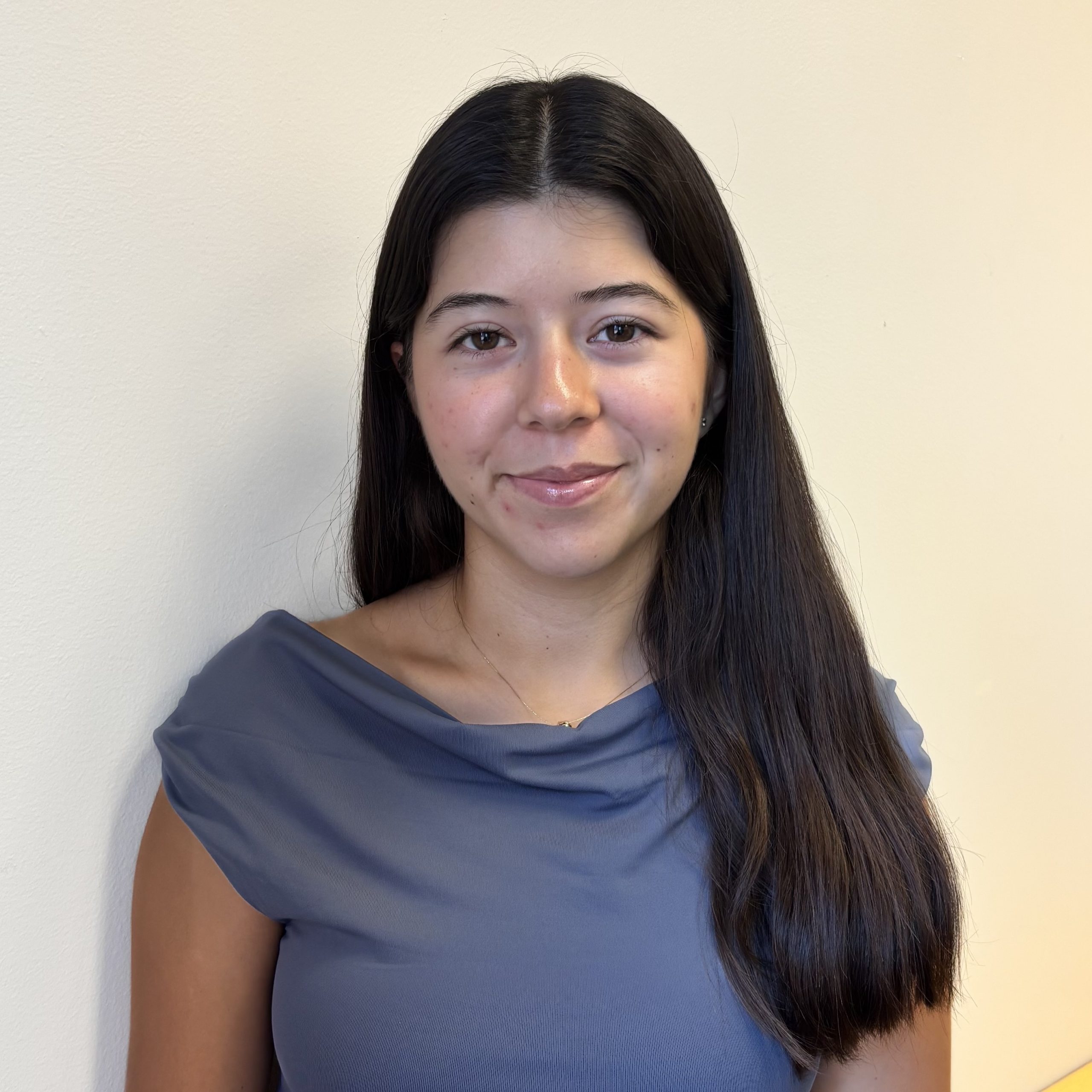
Clinical Research Coordinator
Valeria graduated from Williams College in 2026 with a B.A in Psychology and Economics. At CAM, she will be working on a study evaluating the effectiveness of a behavioral vaping cessation intervention in adolescents and a study testing the effectiveness of a community health worker intervention for increasing tobacco abstinence rates in adults with serious mental illness. Her research interests include substance use disorders, health equity, and community-based research.
Clinical Research Coordinator
Ava Kee , Undergraduate Student
Research Assistant